All Projects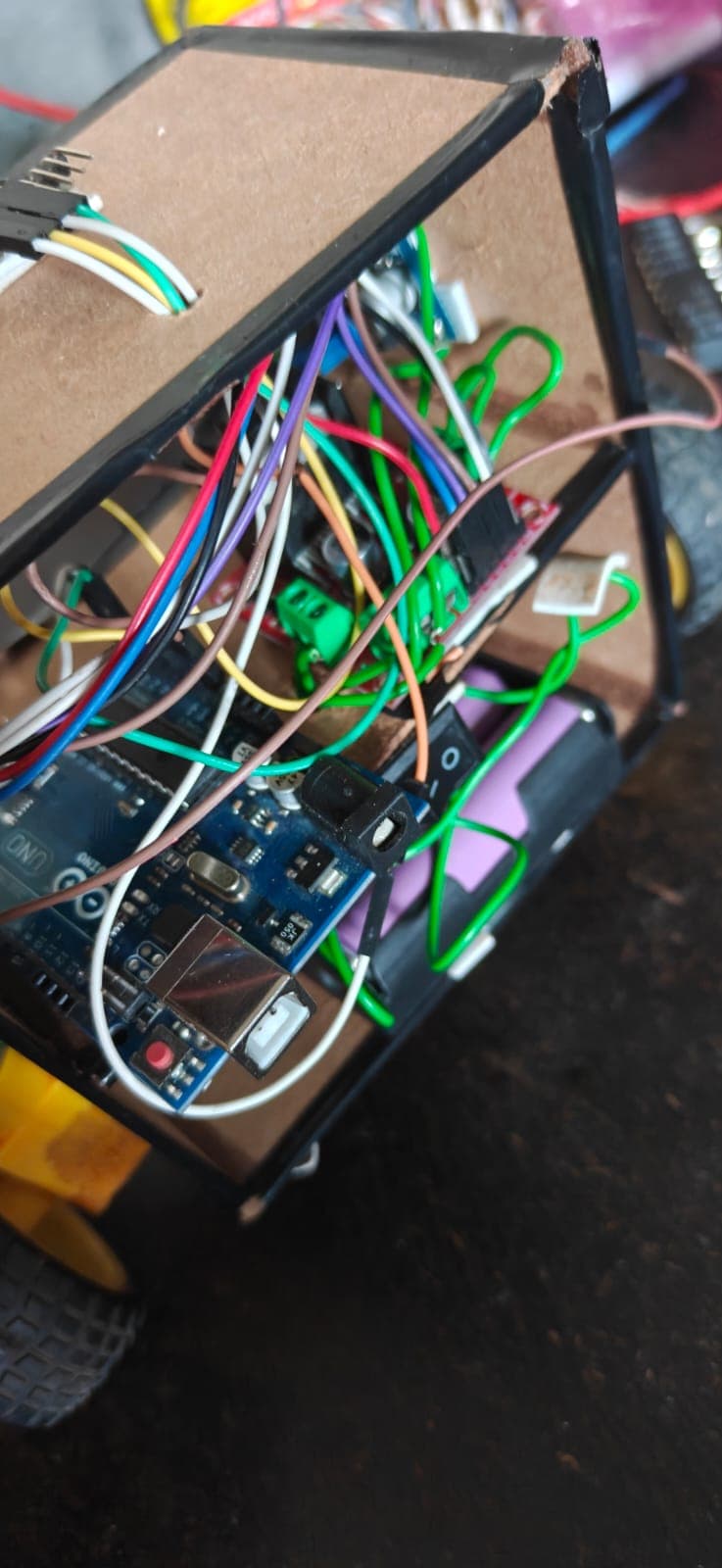
Control SystemsYear 2026
Self-Balancing Robot
A two-wheeled robot that stays upright in real time using an IMU and a PID balance controller.
ArduinoSensor FusionPID ControlControl Theory
Two-wheeled PID inverted pendulum balancing
Overview
An inverted-pendulum challenge, this two-wheeled robot reads tilt from an IMU and drives its motors to constantly correct its balance.
Highlights
- MPU6050 IMU with complementary filter
- Real-time PID balance loop
- Recovers from small pushes
- Tunable gains for experimentation
The Challenge
Fusing accelerometer and gyro data into a stable tilt estimate, then tuning the PID for fast recovery.
The Outcome
The robot balances and self-corrects; work continues on smoother motion.
Project Media & Build Gallery
[4 PHOTOS]Two-wheeled PID inverted pendulum balancing
More Projects
 Aerospace
2026
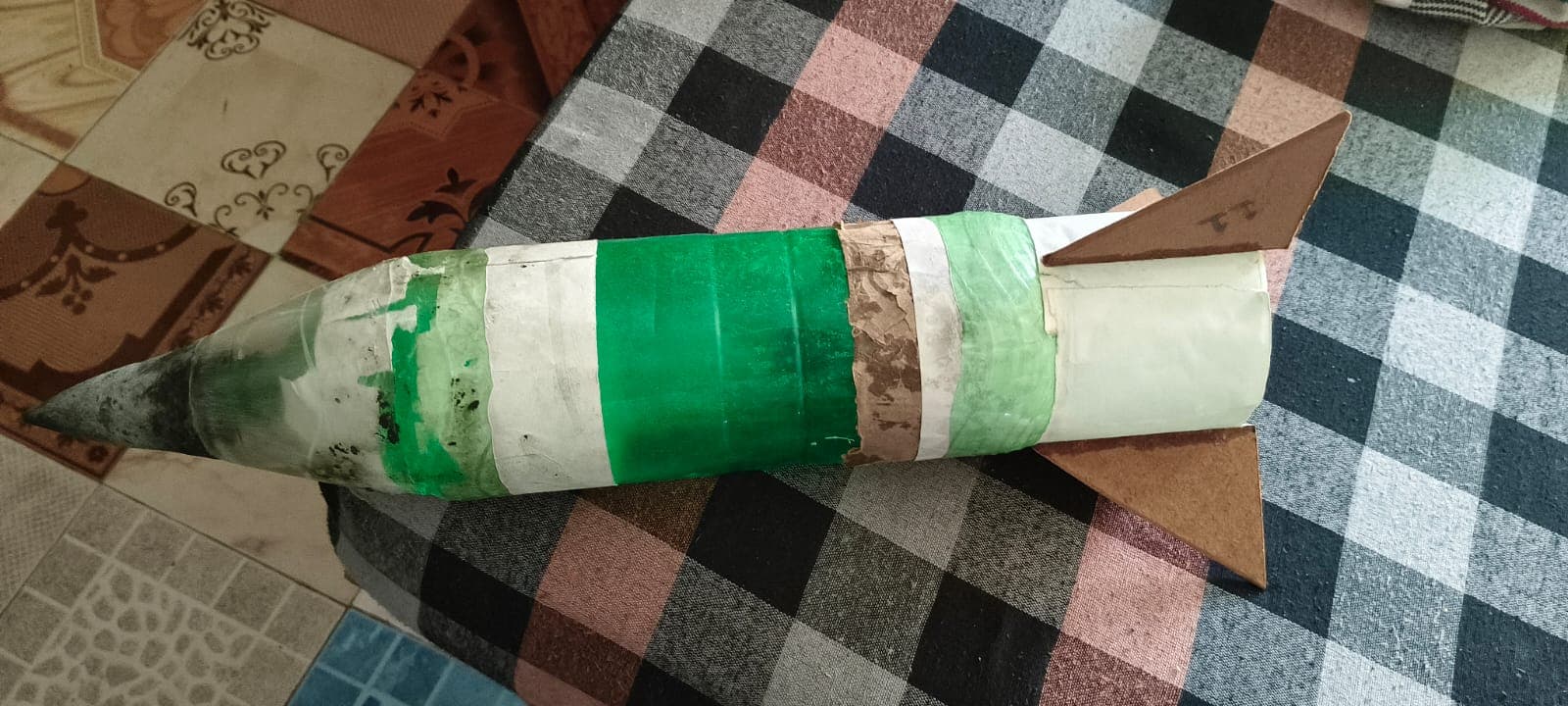
Water Rocket
A pressurised water-and-air rocket engineered for maximum altitude and a clean recovery.
Why we built this
A zero-cost intro to physics and engineering using recycled bottles — perfect for school outreach demos where budgets are tight.
Free technical report & Drive guide available
 Autonomous Systems
2026
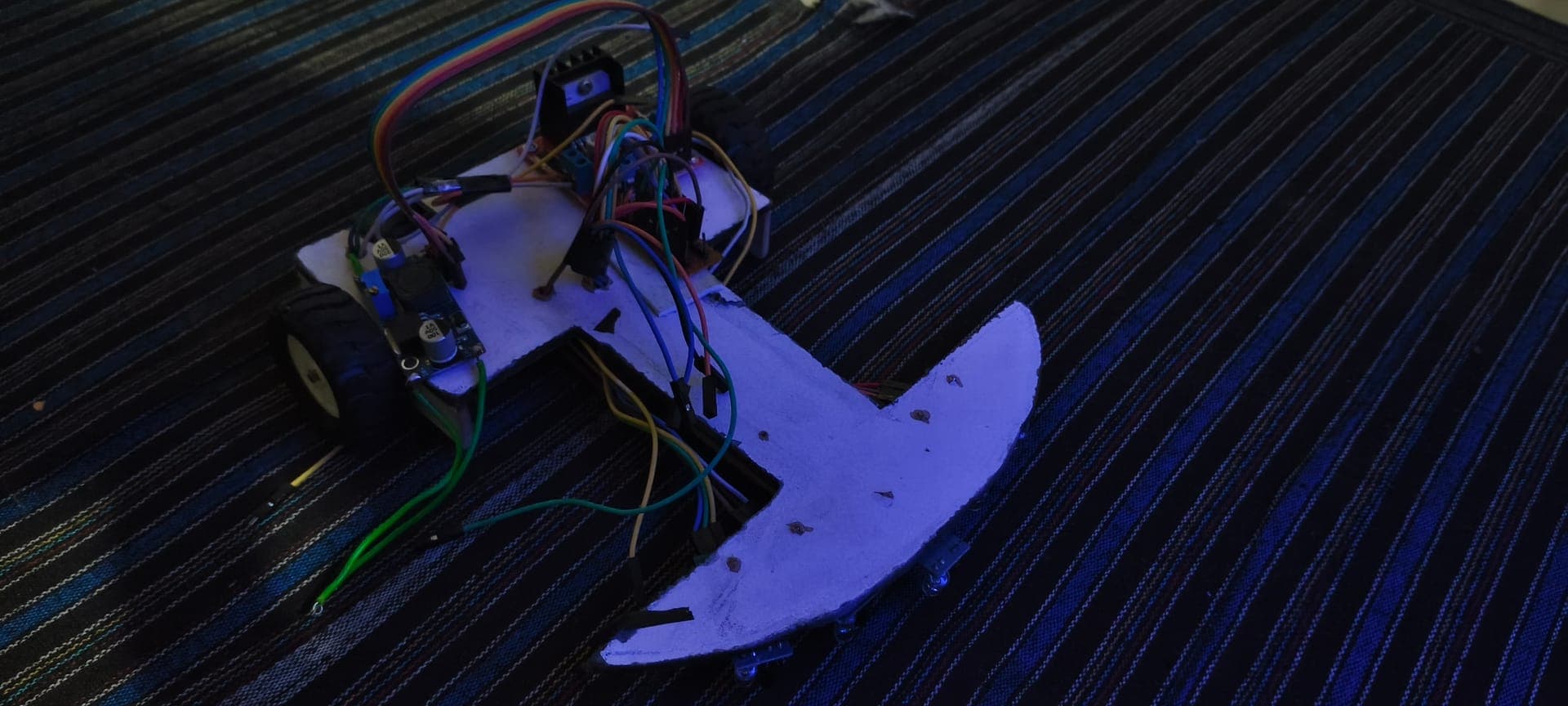
Autonomous 5-Channel IR Line Follower Robot
An autonomous line follower robot with a 5-channel TCRT5000 IR sensor array, L298N differential drive, and PID weighted error logic for smooth trajectory execution.
Why we built this
Standard 2-IR followers produce harsh, jerky turns. We engineered this 5-IR system so students could master proportional-derivative (PID) feedback control on affordable hardware.
Free technical report & Drive guide available
 Human-Machine Interface
2026
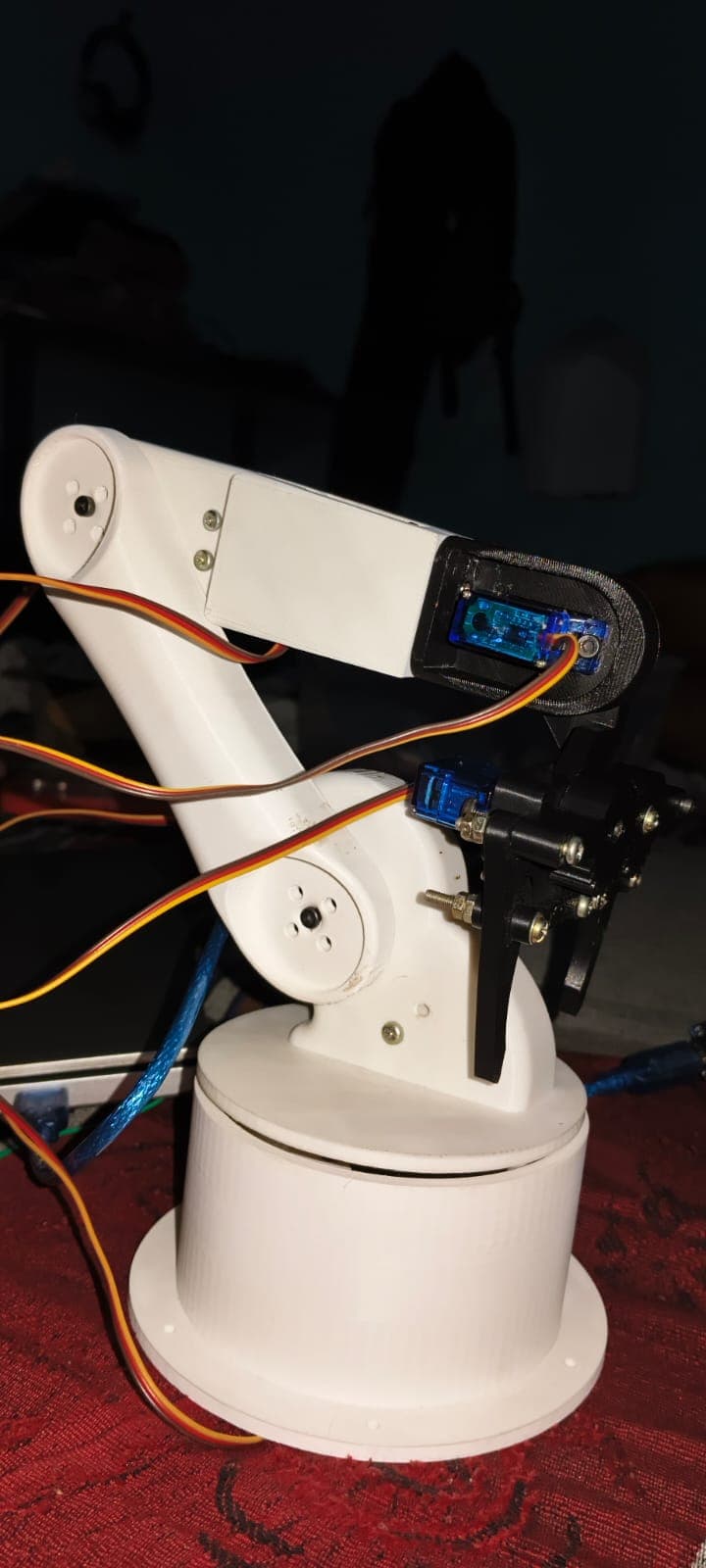
6-DOF CyberDeck & 5-DOF Teach-Repeat Robotic Arm
Industrial-grade 6-DOF & 5-DOF robotic manipulation systems featuring OpenCV AI vision hand tracking, Flask-SocketIO web control, and teach-repeat trajectory playback.
Why we built this
Industrial robot arms are typically locked behind proprietary software; we designed an open hardware ecosystem combining AI computer vision, web dashboards, and manual potentiometer teach modes.
Free technical report & Drive guide available